Featured
Table of Contents
That releases up cash in the short term, and you may have three to four years to conserve toward the settlement amount. Really hazardous to credit score ratings, primarily because of missed repayments and a negative "resolved" mark that can remain on your debt report for approximately 7 yearsMay be just option if various other alternatives (financial obligation loan consolidation, balance transfer charge card, debt mercy) aren't possibleTypically calls for a charge to the third celebration, which could offset some or all of the savings from financial debt settlementMay aid you stay clear of insolvency if you've missed out on a number of paymentsNot all creditors collaborate with financial obligation settlement firms Financial debt forgiveness might be appropriate for you if you are experiencing a financial hardship that makes it almost impossible to pay down your financial debt balances.
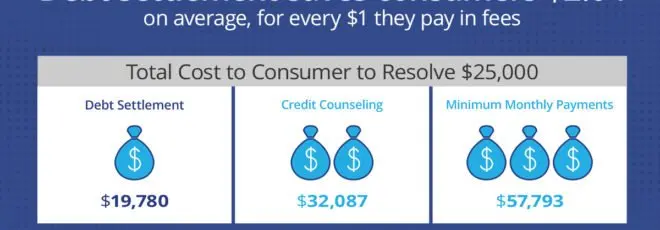
With a DMP, you make one monthly payment to the credit report therapy firm. Those funds are after that dispersed to financial institutions of your unsecured financial debts, such as credit rating cards and installment car loans. The agency collaborates with your financial institutions to decrease passion rates or forgo fees, yet some financial institutions might refuse such giving ins.
A financial obligation consolidation financing combines your eligible debts right into one new lending. It can aid you pay down debt if you have the ability to safeguard a finance price that's less than the ordinary price of the accounts you're combining. Nonetheless, you must avoid racking up financial obligation on those recently cleared accounts or your financial debt could grow even higher.
These cards usually provide a 0% passion introductory duration of as much as 21 months. That provides you a lot of time to remove or dramatically lower your balance while making interest-free payments. For some people dealing with overwhelming financial obligation, personal bankruptcy may be the only means to stop collection process and legitimately settle their debts.
Rumored Buzz on True Experiences of Bankruptcy Counseling Clients
You may need it if your creditor or a collection firm ever before attempts to accumulate on the debt in the future. When a loan provider forgives $600 or more, they are needed to send you Form 1099-C.
Financial debt mercy or negotiation practically constantly hurts your debt. Anytime you settle a financial debt for less than you owe, it may look like "resolved" on your credit score report and affect your credit report for 7 years from the date of settlement. Your debt can likewise go down substantially in the months bring about the mercy if you drop behind on repayments.
Economic Factors and Rising Demand for Debt Forgiveness Things To Know Before You Buy
Tax financial debt compromise programs Tax obligation financial debt takes place when the quantity of taxes you owe exceeds what you have paid. This scenario commonly results from underreporting income, not filing returns on schedule, or inconsistencies discovered during an IRS audit. The repercussions of gathering tax debt are serious and can consist of tax obligation liens, which give the internal revenue service a legal case to your home as protection for the financial debt.
Higher passion prices on readily available credit report. Salaries and Financial institution Accounts IRS can impose (seize) earnings and financial institution accounts to satisfy the financial debt. Lowered earnings and disruption of necessary financial procedures. Property Seizure In extreme instances, the IRS can seize and market building to cover the financial obligation. Loss of useful properties and prospective variation.
Clinical depression, anxiety, and other mental health and wellness problems. Social Stigma Dealing with lawsuit from the internal revenue service can bring social preconception. Damages to credibility and partnerships. Employment Opportunities An inadequate credit report because of exhaust financial obligation can restrict job opportunity. Difficulty finding or maintaining a job. Government Benefits Tax financial debt might influence eligibility for government advantages, such as Social Security and Medicaid.
How What Legislation Guarantees Under Federal Law can Save You Time, Stress, and Money.
The OIC thinks about several elements, consisting of the taxpayer's revenue, expenditures, property equity, and ability to pay. Efficiently negotiating an OIC can be complicated, calling for an extensive understanding of the IRS's standards and a strong disagreement for why your deal aligns with your capability to pay. It's vital to note that not all applications are approved, and the procedure needs detailed monetary disclosure.
The internal revenue service examines your general economic circumstance, including your earnings, expenses, property equity, and ability to pay. You need to also be present with all declaring and repayment demands and not be in an open personal bankruptcy proceeding. The IRS likewise considers your conformity background, examining whether you have a record of timely filing and paying taxes in previous years.
Things about Private Debt Forgiveness Organizations Reviewed
The application procedure for a Deal in Concession includes several detailed steps. First, you must finish and submit IRS Type 656, the Offer in Compromise application, and Kind 433-A (OIC), a collection information declaration for individuals. These types need extensive monetary info, consisting of details about your income, debts, expenses, and assets.
Back taxes, which are overdue tax obligations from previous years, can dramatically enhance your overall internal revenue service financial obligation otherwise attended to quickly. This debt can build up interest and late payment penalties, making the initial quantity owed a lot larger gradually. Failing to pay back taxes can cause the IRS taking enforcement actions, such as issuing a tax obligation lien or levy against your home.
It is essential to deal with back tax obligations as soon as possible, either by paying the total owed or by preparing a repayment plan with the IRS. By taking aggressive actions, you can prevent the accumulation of added interest and charges, and protect against a lot more aggressive collection activities by the IRS.
One usual factor is the idea that the taxpayer can pay the full amount either as a round figure or via a settlement strategy. The internal revenue service additionally takes into consideration the taxpayer's earnings, costs, possession equity, and future earning possibility. If these variables indicate that the taxpayer can afford to pay more than the provided amount, the internal revenue service is most likely to decline the deal.
Little Known Questions About How to Get Started with the The Ethics of Debt Relief: Balancing Client Advocacy with Credit System Integrity Process.
Dealing with Internal revenue service debt can be intricate and daunting. Tax specialists, such as Certified public accountants, tax obligation attorneys, or signed up representatives, can give important help.

Table of Contents
Latest Posts
Top Guidelines Of Chapter 7 Essentials and Requirements
Little Known Questions About Being Cautious from Debt Relief Scams.
Preventing Additional Debt Cycles After Your Fresh Start Can Be Fun For Anyone
More
Latest Posts
Top Guidelines Of Chapter 7 Essentials and Requirements
Little Known Questions About Being Cautious from Debt Relief Scams.
Preventing Additional Debt Cycles After Your Fresh Start Can Be Fun For Anyone